Professional LED Street Light Selection Guide for Overseas Municipal & Road Projects | Yiyazhi Lighting
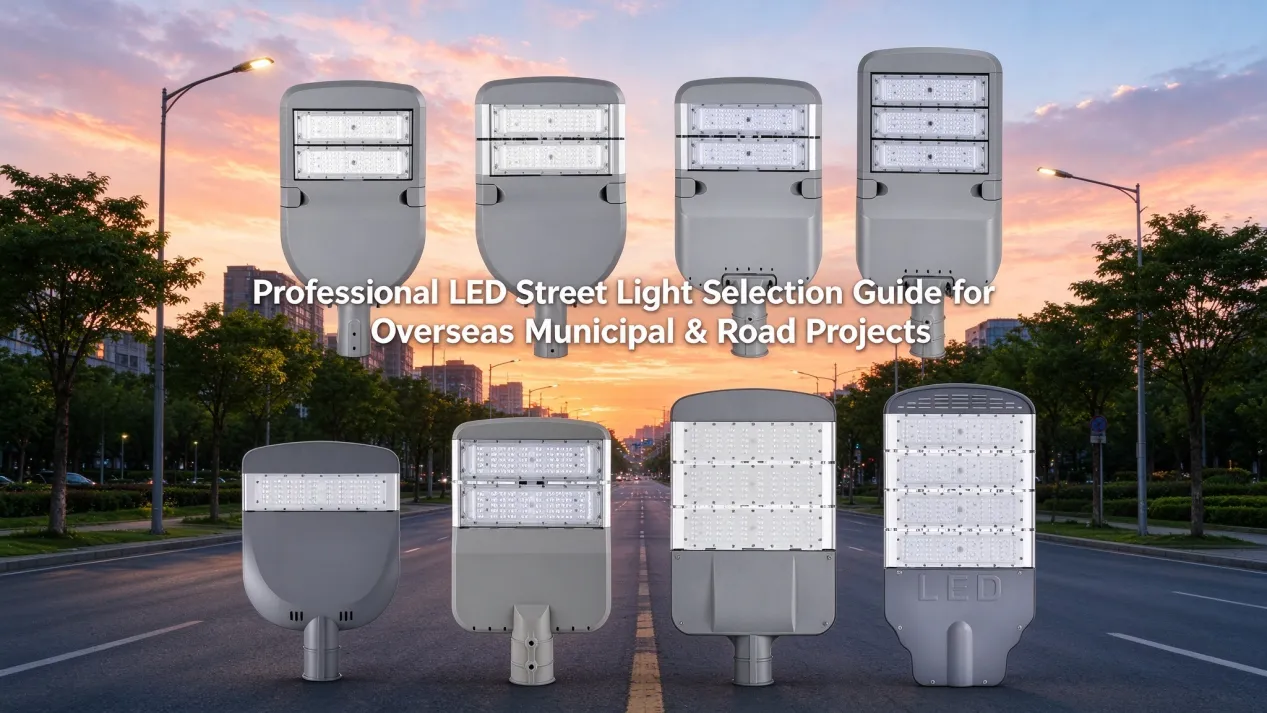
Professional LED Street Light Selection Guide for Overseas Municipal & Road Projects | Yiyazhi Lighting
Meta Description: Must-read LED street light selection guide for engineering buyers. Learn photometry, IES light distribution curve, surge protection, IP/IK rating, and the difference between modular street lights and die-casting street lights, suitable for road projects in the Middle East, Africa and Southeast Asia.
When sourcing LED street lights for municipal roads, residential lanes, industrial park access roads and highway auxiliary lighting across the Middle East, Africa and Southeast Asia, many buyers tend to compare wattage and unit price first. However, road lighting is a systematic engineering solution. A low‑cost fixture with improper optical design, insufficient surge protection or poor thermal management will lead to uneven pavement luminance, severe driving glare, rapid light decay and frequent on‑site failures. This will push up your after‑sales budget and bring project compliance risks.
As a professional manufacturer focusing on modular street lights and Die-casting street lights, Yiyazhi Lighting has accumulated rich experience serving global engineering contractors and distributors. This guide covers the core technical dimensions, structural selection, reliability indicators and compliance requirements, to help you make data‑driven decisions rather than relying only on wattage quotations.
1. Start with Lighting Standards & Optical Performance: Photometry Is The Foundation
Wattage only indicates power consumption, not lighting quality. All road lighting design should be based on local standards: EN 13201 for European projects, ANSI/IES RP‑8 for North America, AS/NZS 1158 for Australia, and corresponding municipal specifications for the Middle East and Africa. Before selecting fixtures, confirm road classification, carriageway width, mounting height, pole spacing, tilt angle and target luminance uniformity.
The core optical indicators you need to verify include:
Luminaire efficacy: We recommend system efficacy ≥130 lm/W for standard road lighting. High luminous efficacy cuts long‑term electricity expense for municipal projects and helps meet energy‑saving tender requirements.
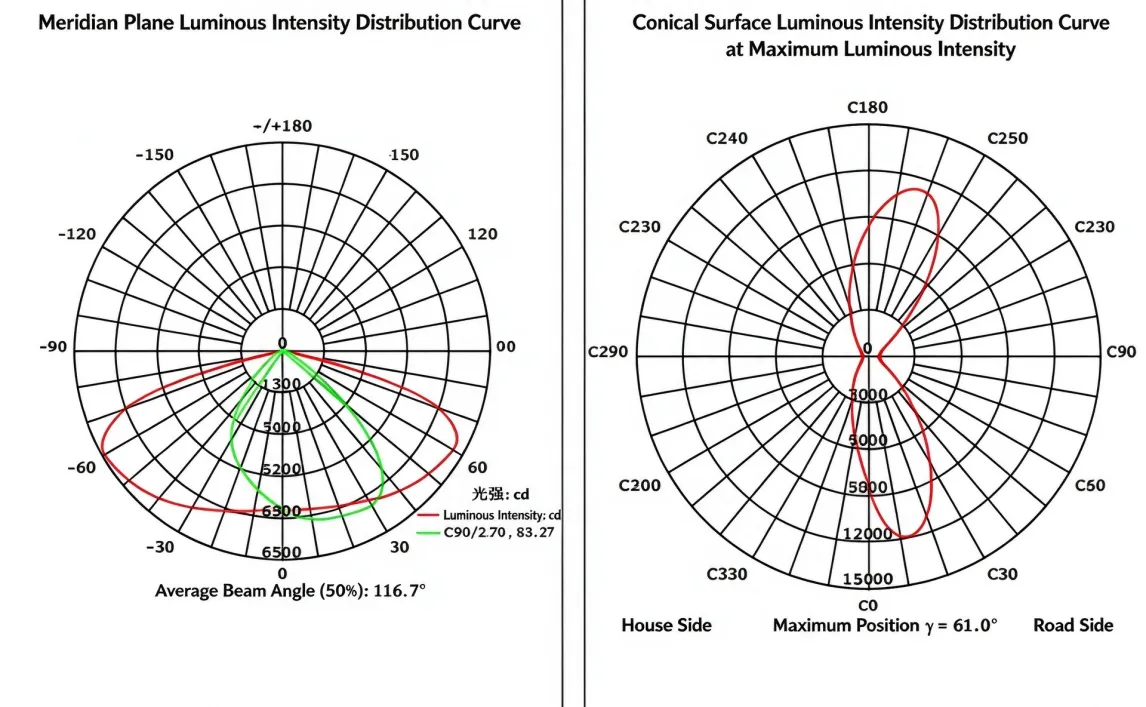
Light distribution curve (IES Type II / III / IV): This is the most easily overlooked but decisive factor. Type II is for narrow side roads; Type III is the mainstream for two‑lane arterial roads; Type IV suits wide multi‑lane roads. A mismatched lens creates dark patches on pavement or excessive glare that endangers driving safety. Always ask suppliers for IES files and DIALux simulation reports to check average lux, uniformity and glare value.
CCT and CRI: 4000K-6000K neutral white is widely adopted for arterial roads, balancing visibility and comfort. 3000K warm white is preferred for residential streets and pedestrian zones to reduce light pollution. CRI ≥70 meets basic traffic identification; CRI ≥80 is recommended for roads with CCTV monitoring.
Lumen maintenance data: Do not trust simple “50,000 hours” marketing claims. Valid lifespan must be supported by IES LM‑79 photometric test, LM‑80 long‑term lumen depreciation test and TM‑21 extrapolation. L70 means the time when light output drops to 70% of initial lumens. Qualified engineering street lights should reach L70 ≥50,000 hours under TM‑21 projection.
2. Structure Selection: Modular Street Light VS Die‑casting Street Light
The mechanical structure directly determines installation efficiency, spare parts stocking strategy and maintenance cost over the whole project lifecycle. This is one of the key decisions for overseas projects with different local service conditions.
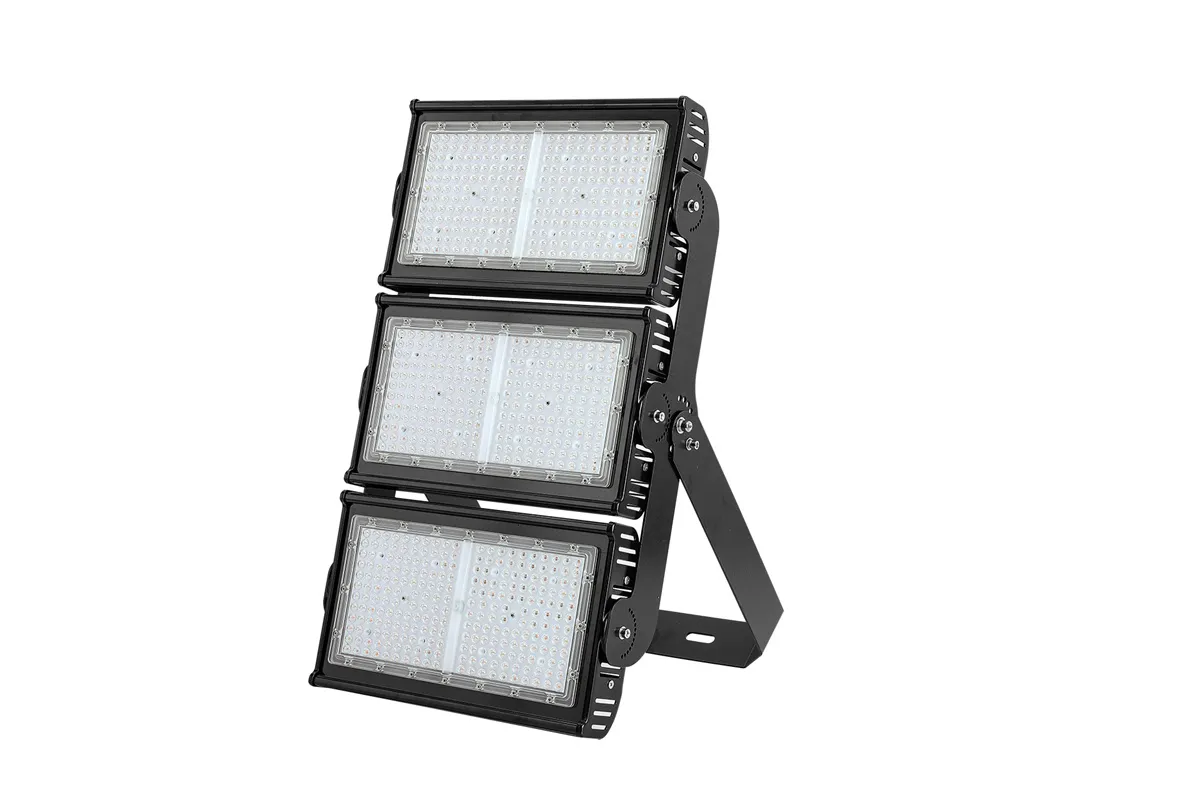
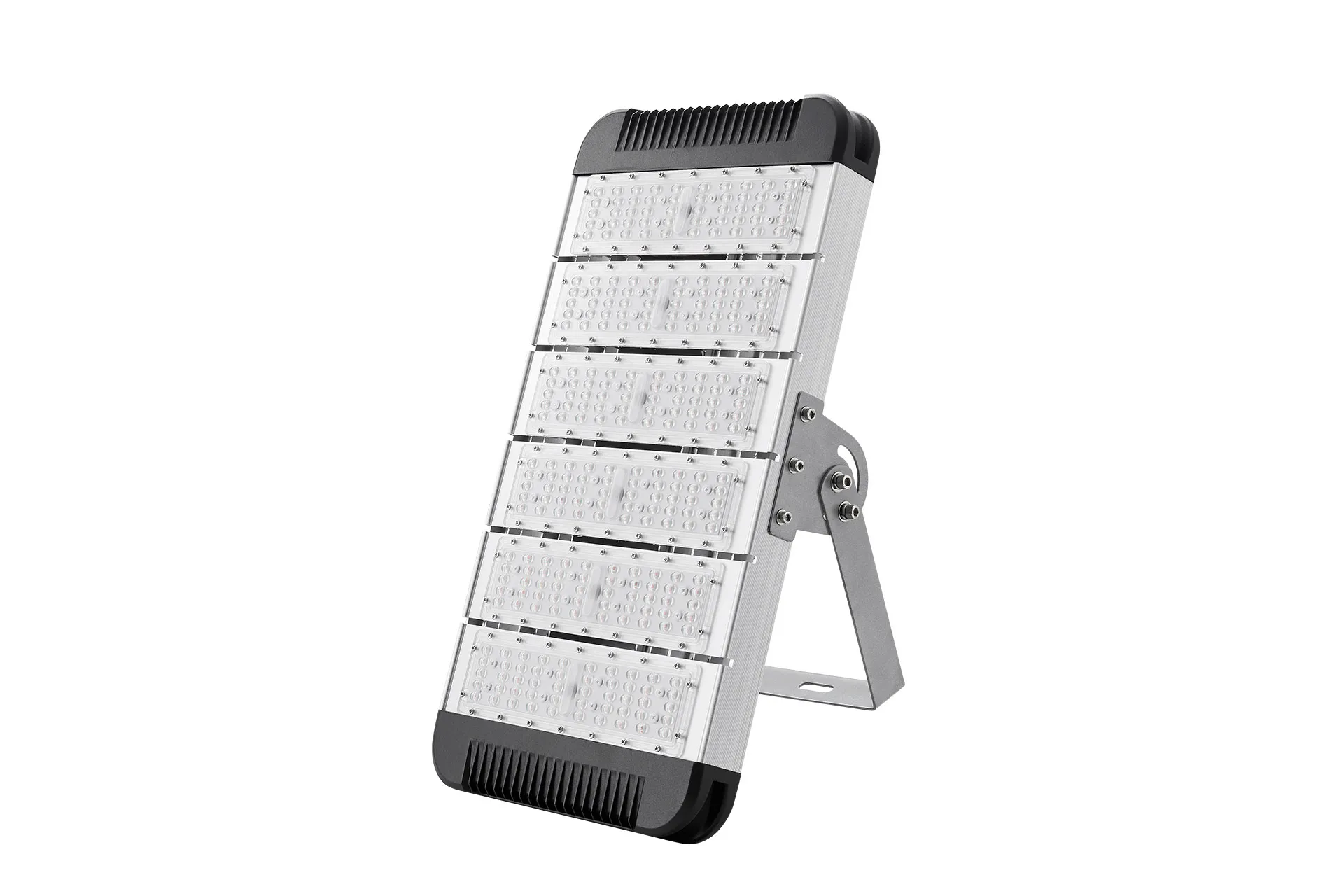
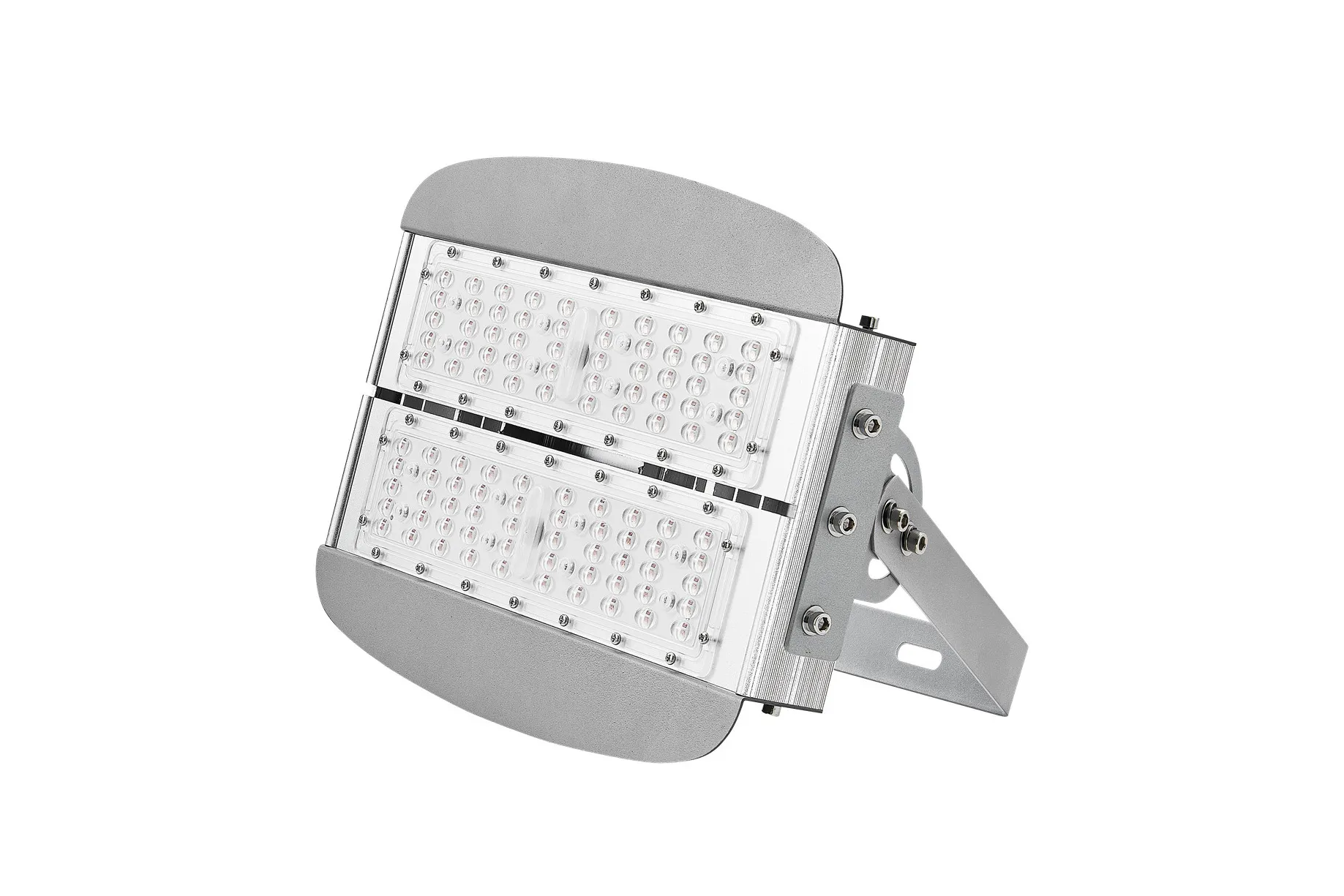
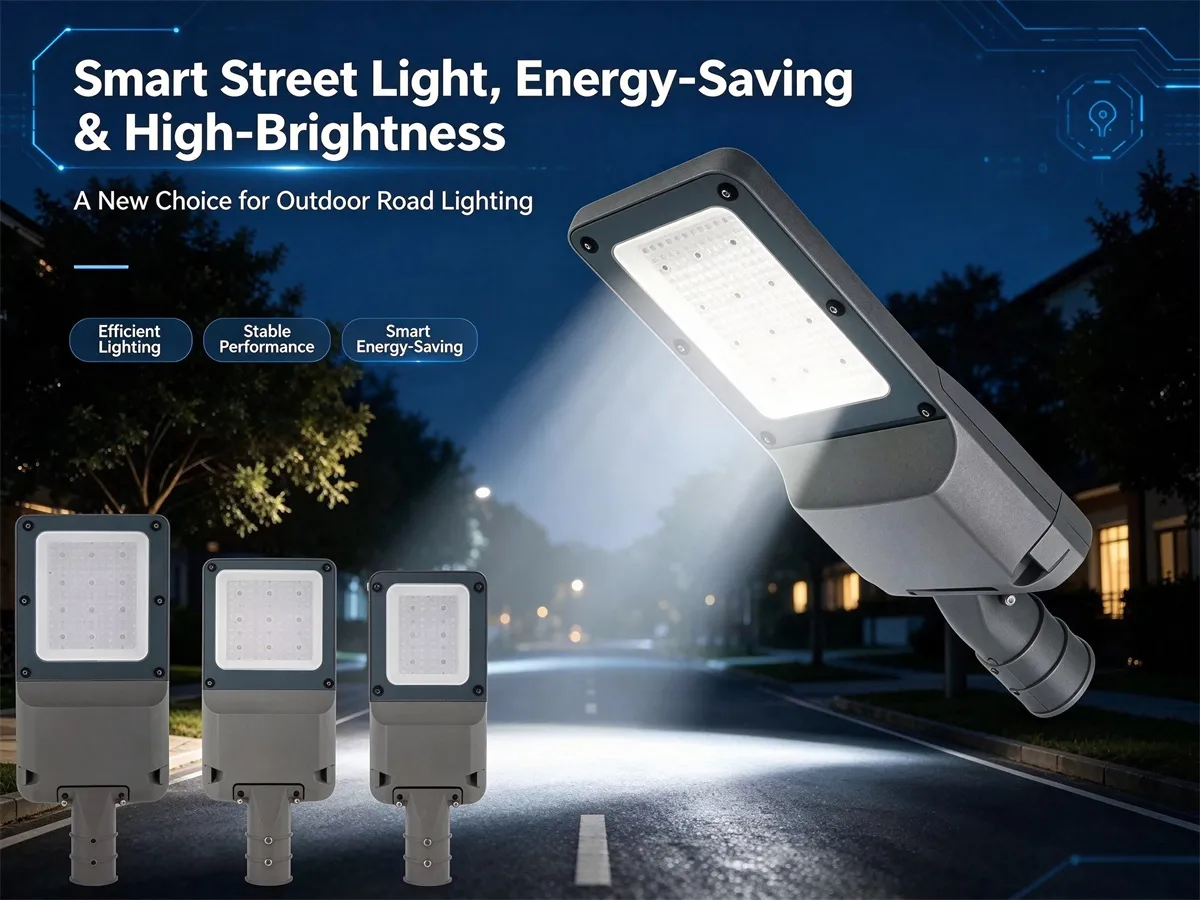
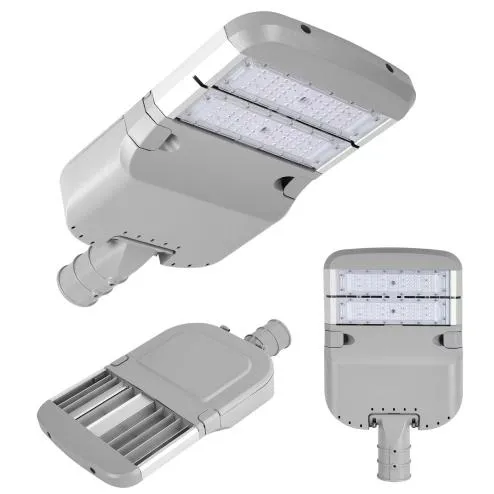
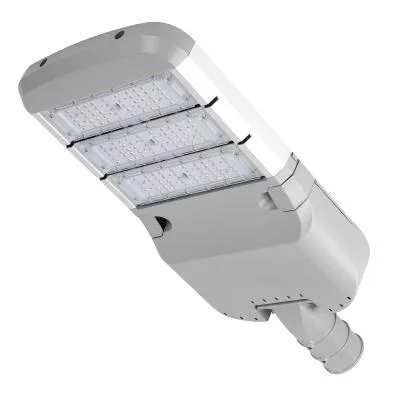 Modular Street Light:Independent light modules and separate drivers, connected by waterproof quick connectors. For this split design, only the faulty module needs to be replaced if a single module is damaged. There is no need to disassemble the entire luminaire, and the rest modules stay lit. It supports flexible power combinations, easy spare parts management and lower long‑term maintenance costs. Suitable for large municipal roads, highways and projects with a stable local maintenance team.
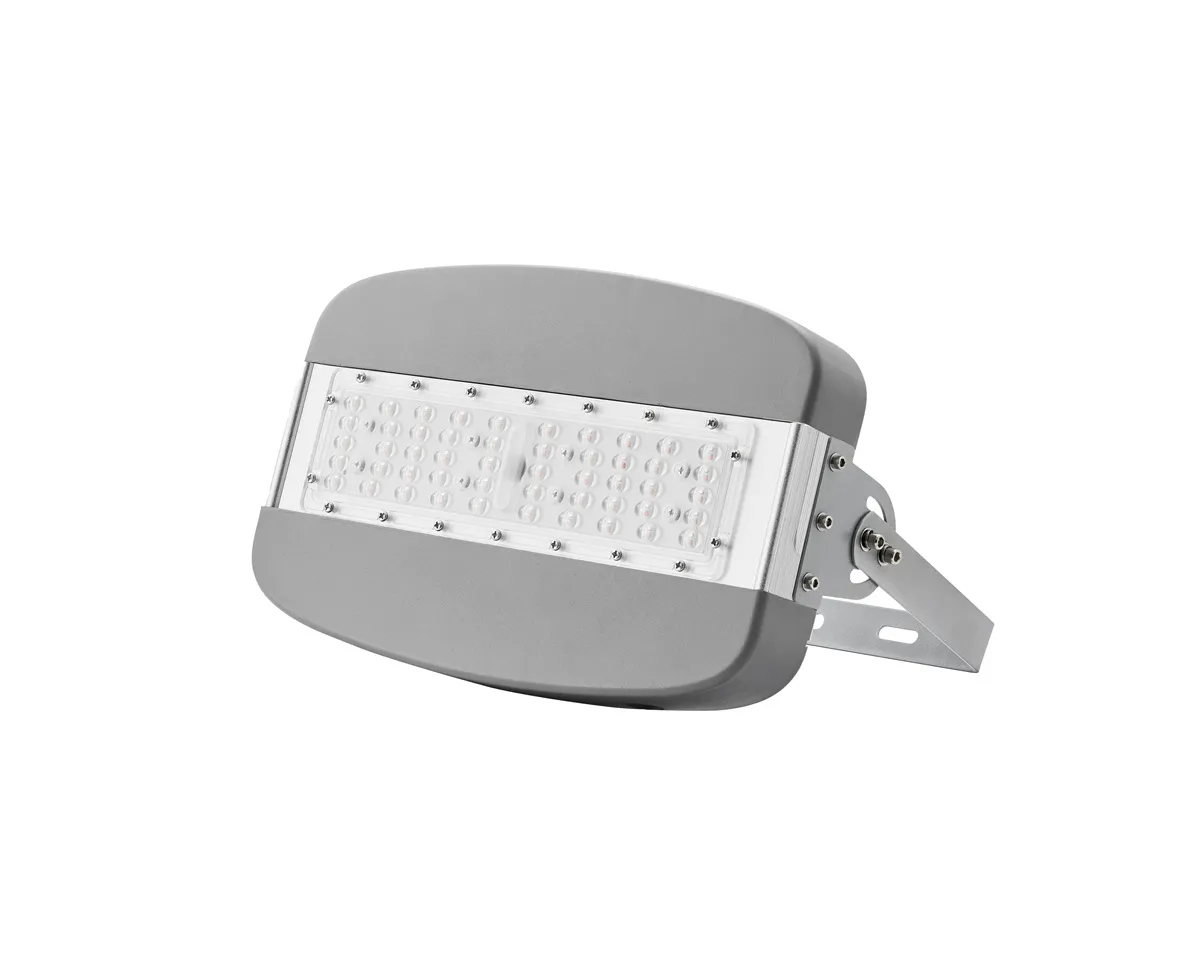
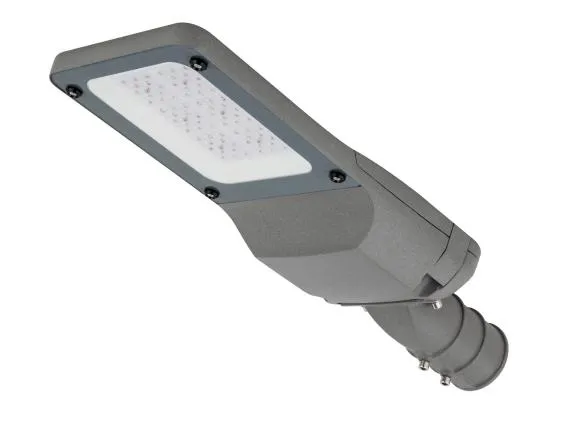 Diecasting Street Light:Integrated high‑pressure die‑cast aluminum housing, compact streamline structure, with tool‑free cover design for the power compartment. No scattered small modules, fewer waterproof joints, stable sealing performance and fast on‑site installation. It is suitable for residential roads, industrial access roads and remote areas where maintenance resources are limited. The integrated radiator forms a continuous heat conduction channel, which performs well in high‑temperature tropical and desert environments.
3. Environmental Reliability: IP, IK and Surge Protection for Harsh Climates
Most overseas projects face complex conditions: high ambient temperature, persistent dust, heavy seasonal rainfall, coastal salt spray and frequent lightning strikes. Reliability specifications must be clearly defined in the technical sheet instead of marked as “outdoor use”.
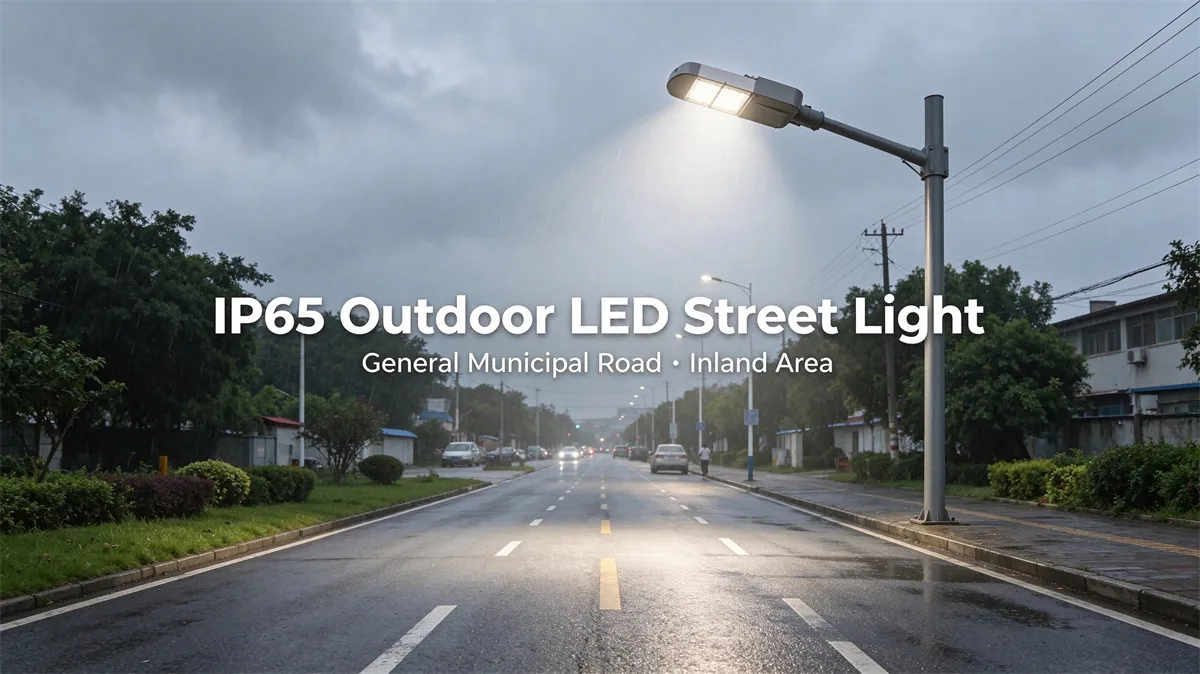
IP Rating: IP65 is the minimum standard for inland ordinary roads. IP66 is strongly recommended for coastal cities, dusty industrial zones and tropical rainy regions. IP66 provides stronger protection against high‑pressure water jets and dust ingress, protecting the internal driver and optical components.
IK Impact Rating: IK08 is standard for general road locations. Choose IK10 for roadside positions with high vandalism risk or stone splash from vehicles.
Surge Protection (SPD): This is the top cause of batch lamp failures in many African and Middle East projects. For ordinary urban power grids, specify ≥10kV surge protection. For open highways, mountainous and thunderstorm‑prone areas, select ≥20kV SPD complying with ANSI C136.2. Poor power grid stability is common in many emerging markets, and reliable surge protection greatly reduces premature driver burnout.
Surface anti‑corrosion treatment: The luminaire surface is treated for corrosion resistance with anti-salt spray paint and other coatings. For coastal projects, a salt spray test report must be provided to verify its anti-salt-fog corrosion performance.
4. Driver & Thermal Management: The Hidden Core of Long Service Life
LED chips rarely fail independently. Industry data shows that more than 70% of early field failures come from unstable drivers and failed heat dissipation.
Constant‑current driver parameters: PF ≥0.95, low THD, wide voltage range AC100–277V to adapt to unstable local grid fluctuation. If smart city control is required, we support 0–10V dimming, DALI or NEMA socket for intelligent nodes.
Thermal design: The radiator must maintain effective convection. When the junction temperature of LED chips keeps exceeding the design threshold, light decay accelerates sharply. Yiyazhi Lighting carries out full‑load aging testing for every batch before shipment to screen out unstable products.
5. Certification, Documentation and Local Clearance Requirements
Different regions have mandatory certification and document requirements for municipal tender and customs clearance.
Europe: CE, ENEC; Middle East: SASO; Australia: SAA; North America: DLC for rebate projects.
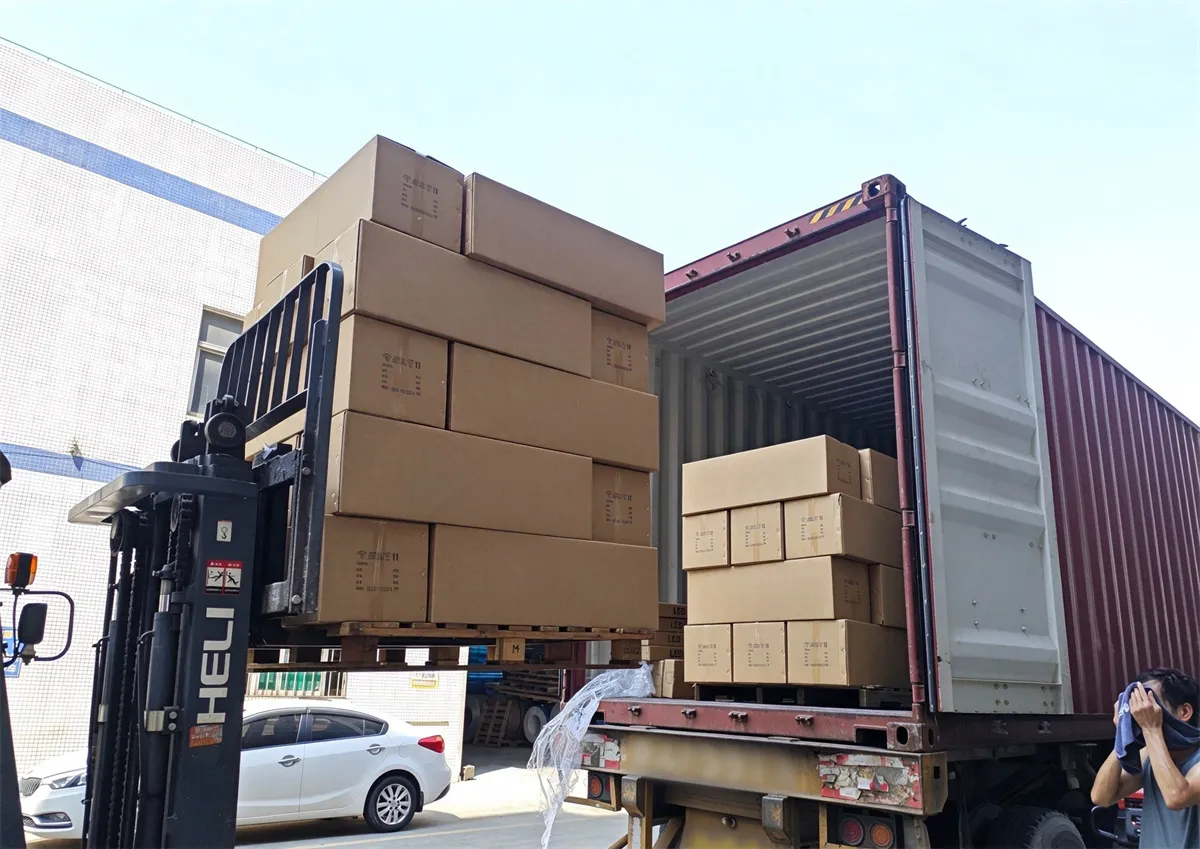
Certificates alone are not enough. You need complete supporting documents: LM‑79 photometric report, LM‑80 / TM‑21 lifetime report, IP/IK test report, surge protection test report and salt spray report for coastal sites. When bidding for government projects, the tender department usually reviews these test documents strictly. Yiyazhi Lighting can prepare a full document package for your tender submission.
6. Customization & Project Support from Yiyazhi Lighting
Many overseas projects cannot be fully satisfied by standard off‑the‑shelf models. Our OEM & ODM service covers street lights and flood lights: adjustable wattage, customizable CCT, bracket modification, non‑standard mounting holes, laser logo marking, customized dimming logic and special surface treatment for anti‑corrosion. Our engineering team supports lighting simulation, IES file adjustment, sample development and pre‑shipment inspection. Whether you are a distributor stocking standard models or an EPC contractor undertaking a municipal tender, we can match the technical solution to your project budget and specification.
If you have road drawings, lighting layouts or tender specifications, send them to our technical team. We will provide professional DIALux lighting simulation, product recommendation and commercial quotation.