Built to Last, Designed to Evolve: Rethinking Highway & City Lighting with Modular LED Architecture
Lighting up kilometers of dark highway or keeping dense urban streets bright used to mean high operational risk. A single dead driver or burned-out chip could turn a functional street light into a dark spot, requiring costly bucket-truck deployments, traffic diversions, and lengthy repairs.
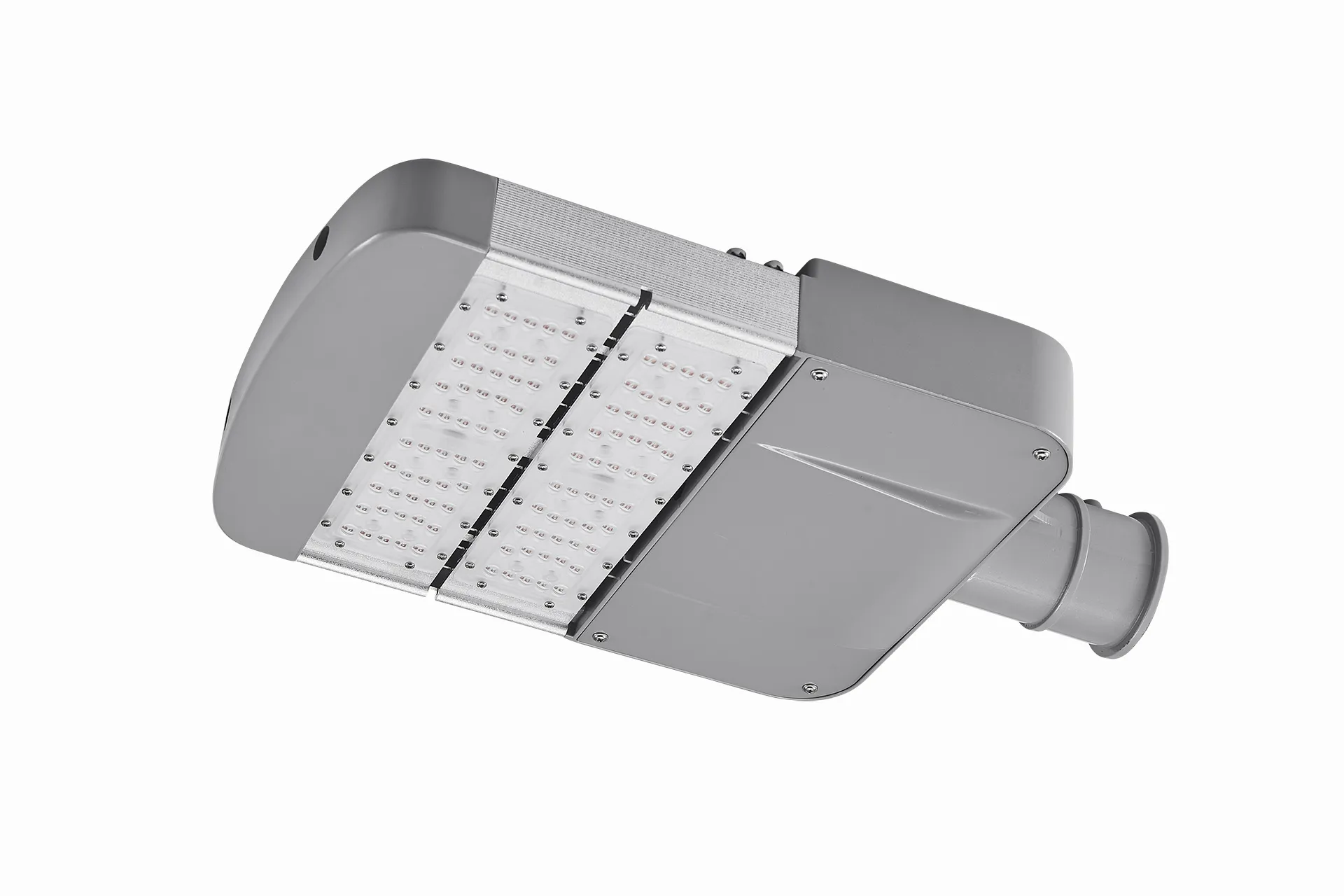
Today, smart procurement teams and municipal contractors are shifting away from traditional single-body fixtures. The future lies in Modular LED Street Light Architecture—a platform-based, adaptable lighting system engineered for longevity, zero-fuss maintenance, and seamlessly scalable performance.
The Engineering Behind the Modules
The brilliance of modular design lies in structural isolation. Instead of placing all components inside a sealed, non-repairable chassis, a modular luminaire splits critical hardware into independent, standardized blocks:
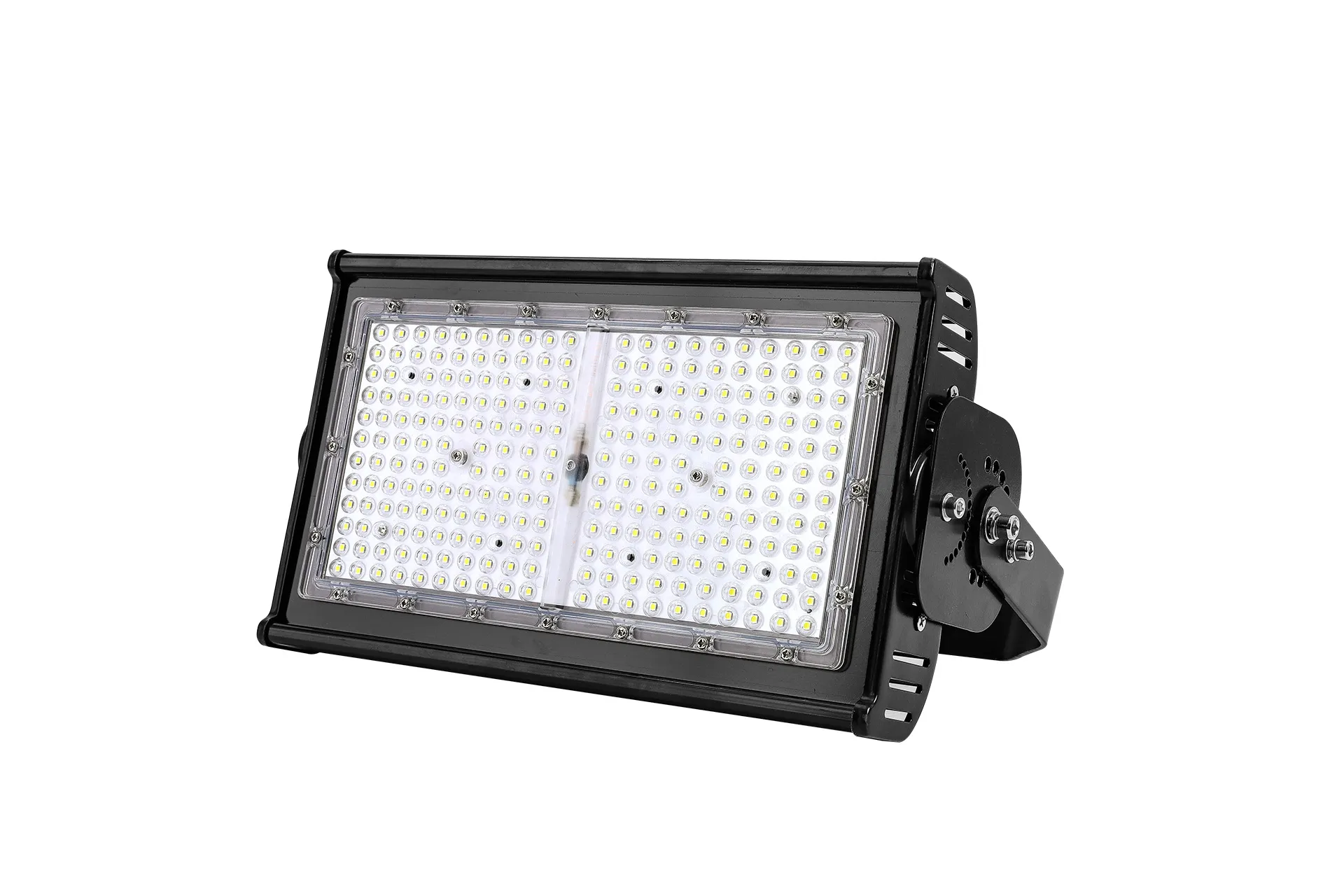
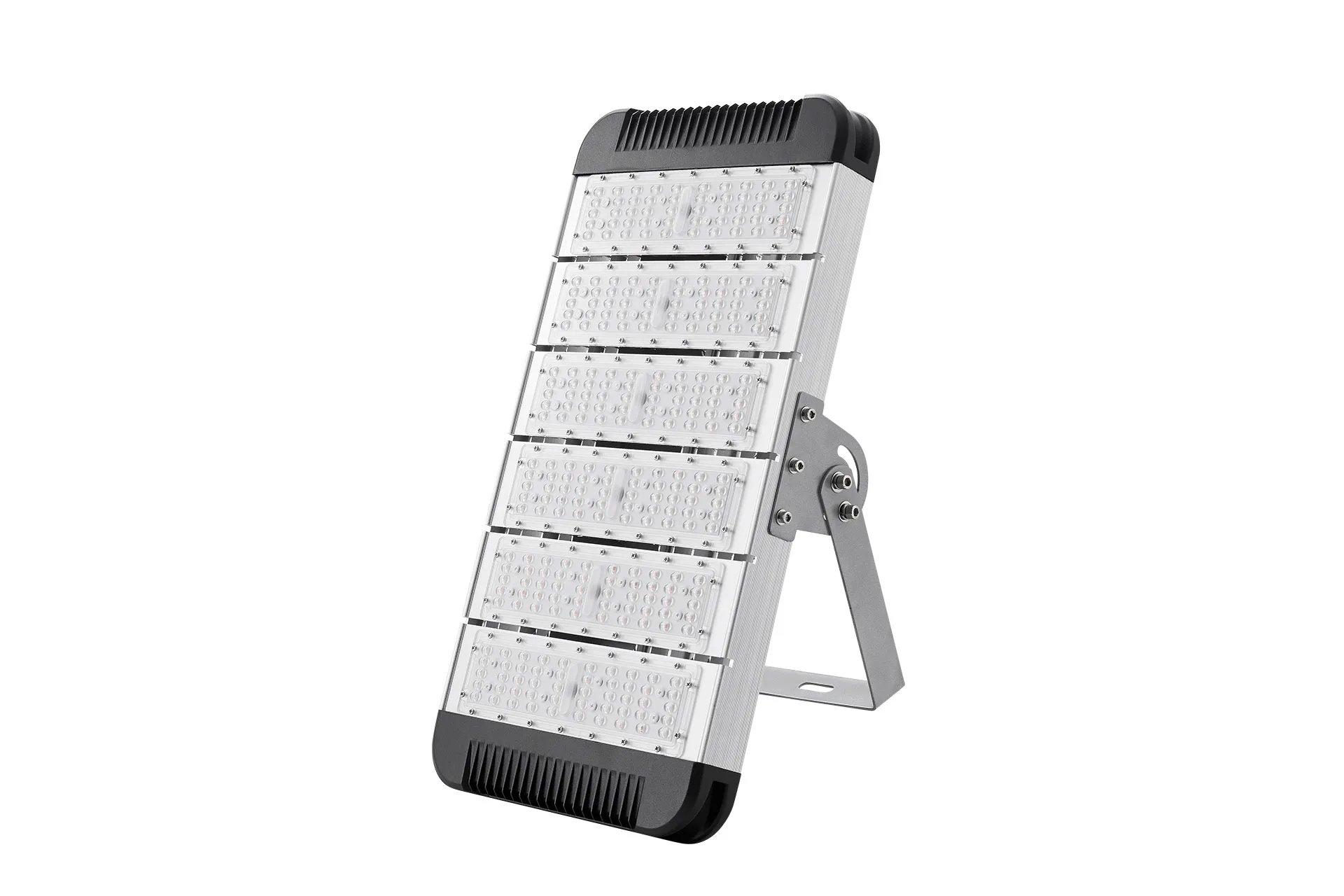
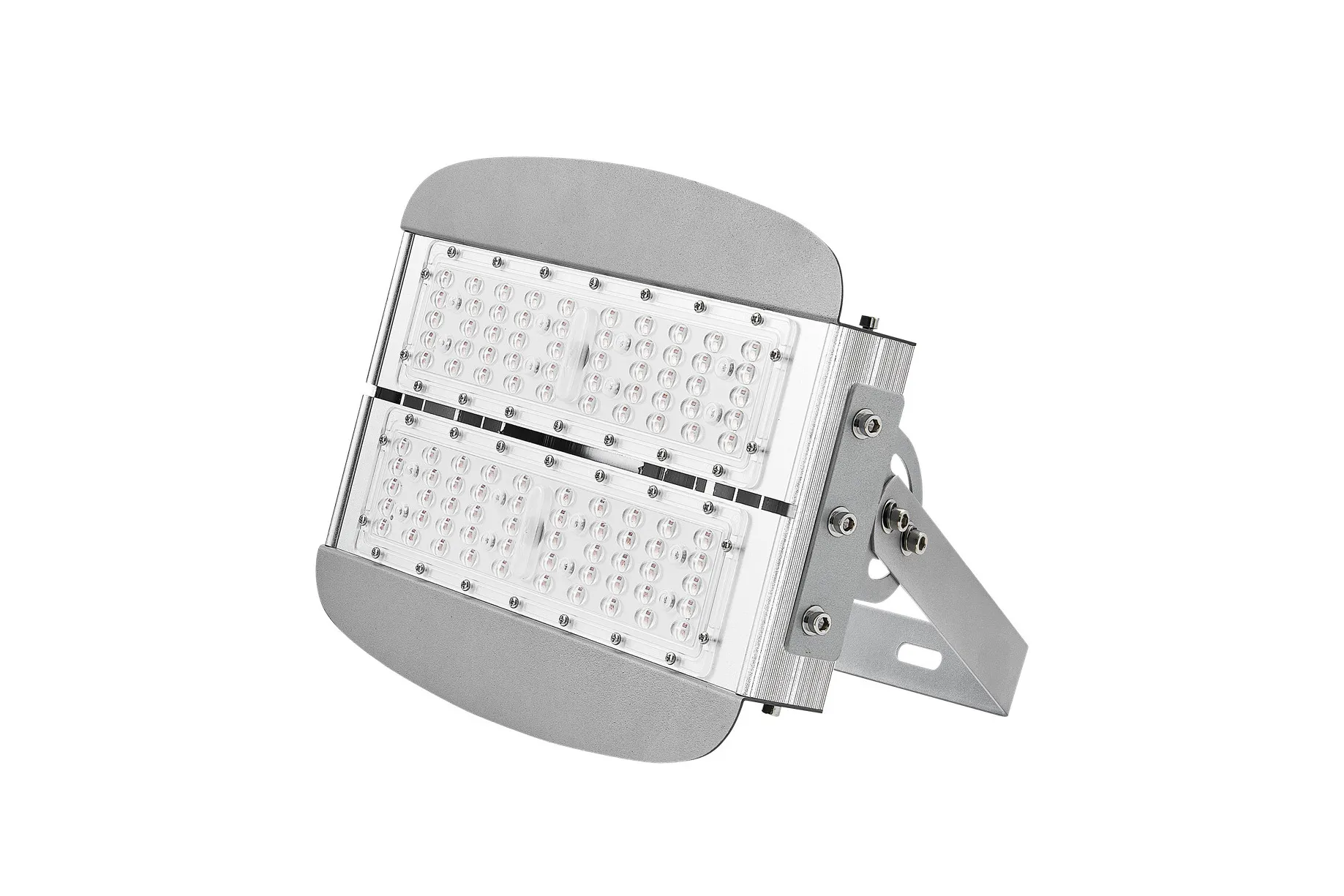
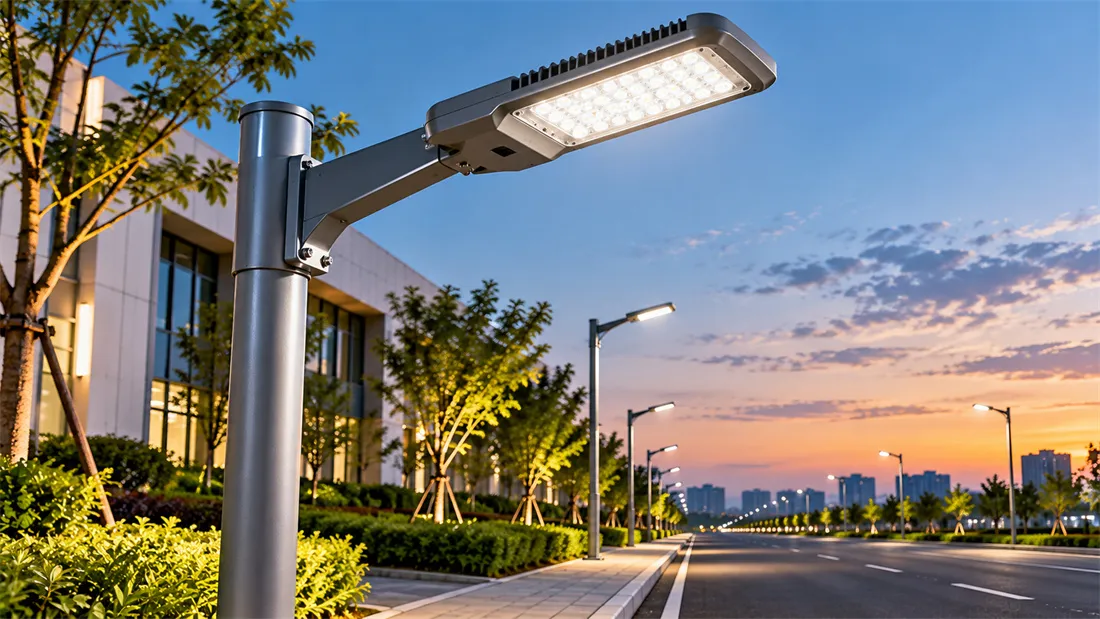
Independent Optical Engines: Each LED matrix module comes with its own heavy-duty heat sink and precision lens block. If a project requires more illumination, extra engines can be added to the chassis effortlessly.
Separated Driver Compartments: Power drivers are isolated from the intense heat of LED modules, protecting sensitive electronics and doubling operational lifespans.
Tool-less Access Latches: Buckles replace screws, allowing maintenance engineers to swap parts on-site in under two minutes without dismounting the fixture arm.
Core Advantages for B2B Importers and Municipal Buyers
Unmatched Serviceability: Reduce operational expenditure (OpEx) by up to 60%. Maintenance crews swap light engines or driver boxes right on the spot—no need to remove the entire luminaire or haul full replacement units in trucks.
Streamlined Inventory Management: Distributor warehouses no longer need to carry dozens of distinct fixture SKUs (50W, 100W, 150W, 200W). By stocking standard 50W light modules and universal housings, assembly teams can build exact power ratings on demand.
Thermal Superiority: Individual module gaps create natural air channels (chimney convection effect), dropping working temperatures by 10–15°C compared to conventional die-cast enclosures.
Future-Proof Smart Upgrades: Integrated Zhaga Book 18 and NEMA 7-pin sockets mean your infrastructure is ready for photocells, radar motion detectors, or smart city mesh nodes whenever the municipality decides to upgrade.
Technical Specifications Matrix
| Feature | Performance Standard | Benefit for Project Buyers |
| Luminous Efficacy | Up to 180 lm/W | Maximize energy savings & utility rebates |
| Modular Configurations | 1 to 6 module slots (50W – 300W+) | Single housing platform across all road classes |
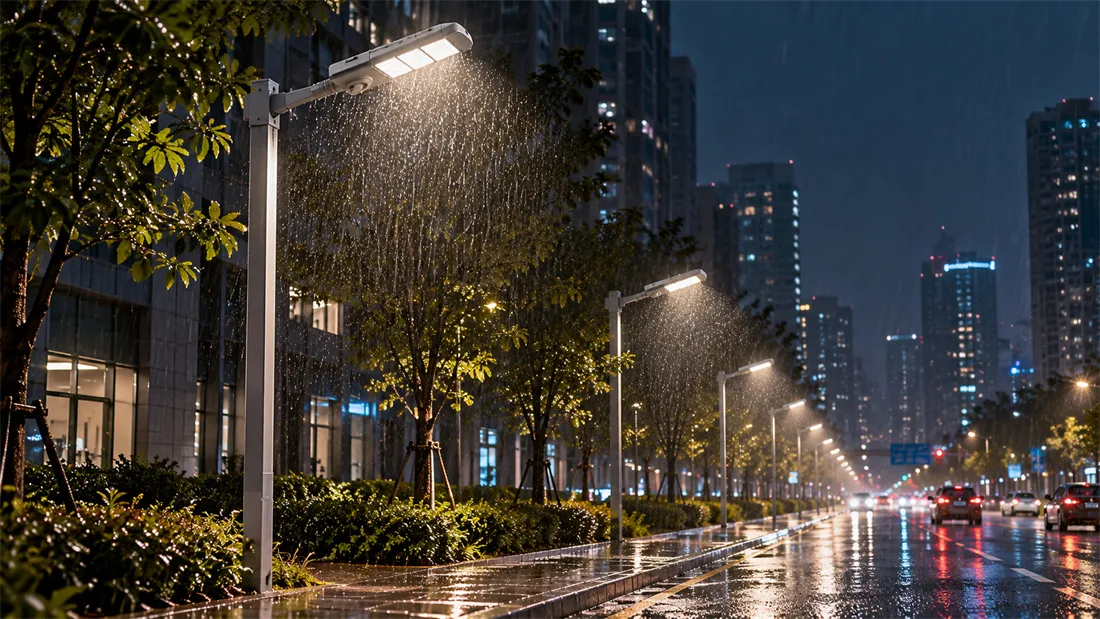
| Ingress & Impact Protection | IP66 / IK10 Rated | Weather-proof against heavy storms and vandalism |
| Surge Protection | 10kV / 20kV SPD | Prevents lightning damage in harsh environments |
| Optical Options | Asymmetric Type II, Type III, Type IV | Zero light spill, glare-free road coverage |
Partner with a Trusted OEM/ODM Supplier
Whether you are bidding on government infrastructure tenders, supplying regional contractors, or expanding your private B2B catalog, our factory offers comprehensive OEM/ODM solutions tailored to your market standard. From custom color temperatures and branded housings to full DIALux lighting calculations, we help you close bids with confidence.
Contact us today to request engineering drawings, photometric data, and sample evaluation packages.