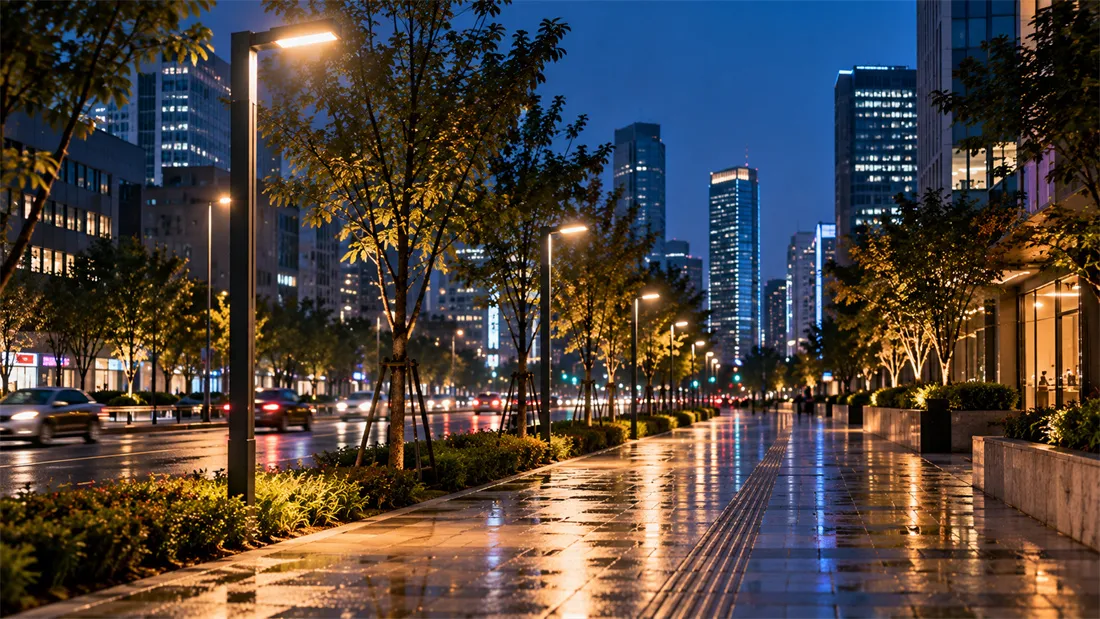
Revolutionizing Urban Illumination: Why Modular Street Lights Are the Future of Smart Cities
Revolutionizing Urban Illumination: Why Modular Street Lights Are the Future of Smart Cities
As cities worldwide accelerate their transition toward energy efficiency, sustainability, and smart infrastructure, traditional outdoor lighting systems are quickly becoming obsolete. In their place, Modular Street Lights have emerged as the premier solution for modern municipal, industrial, and commercial projects.
For international importers, distributors, and municipal buyers, understanding the advantages of modular LED technology is crucial to staying competitive in the global B2B lighting market.
What Is a Modular Street Light?
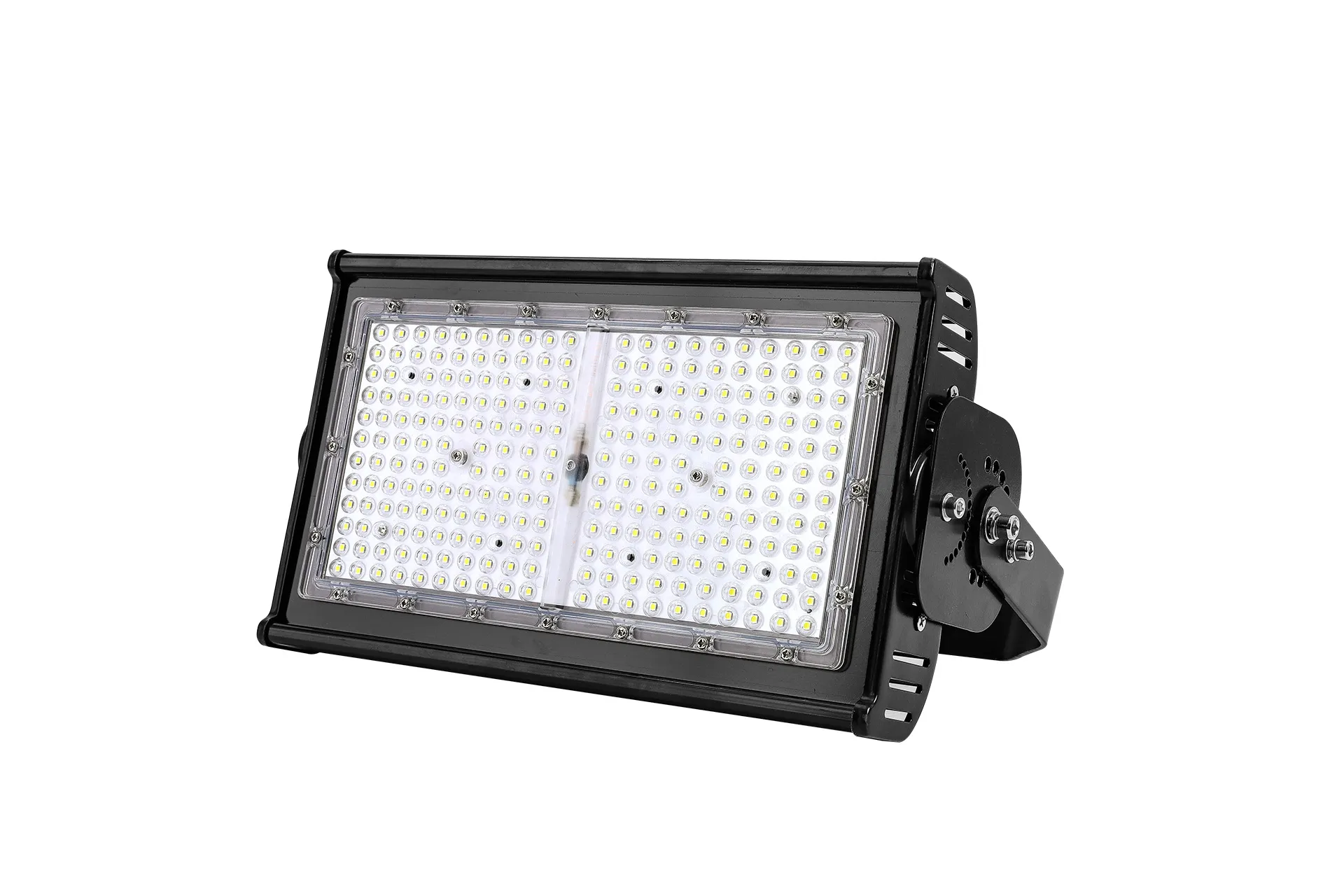
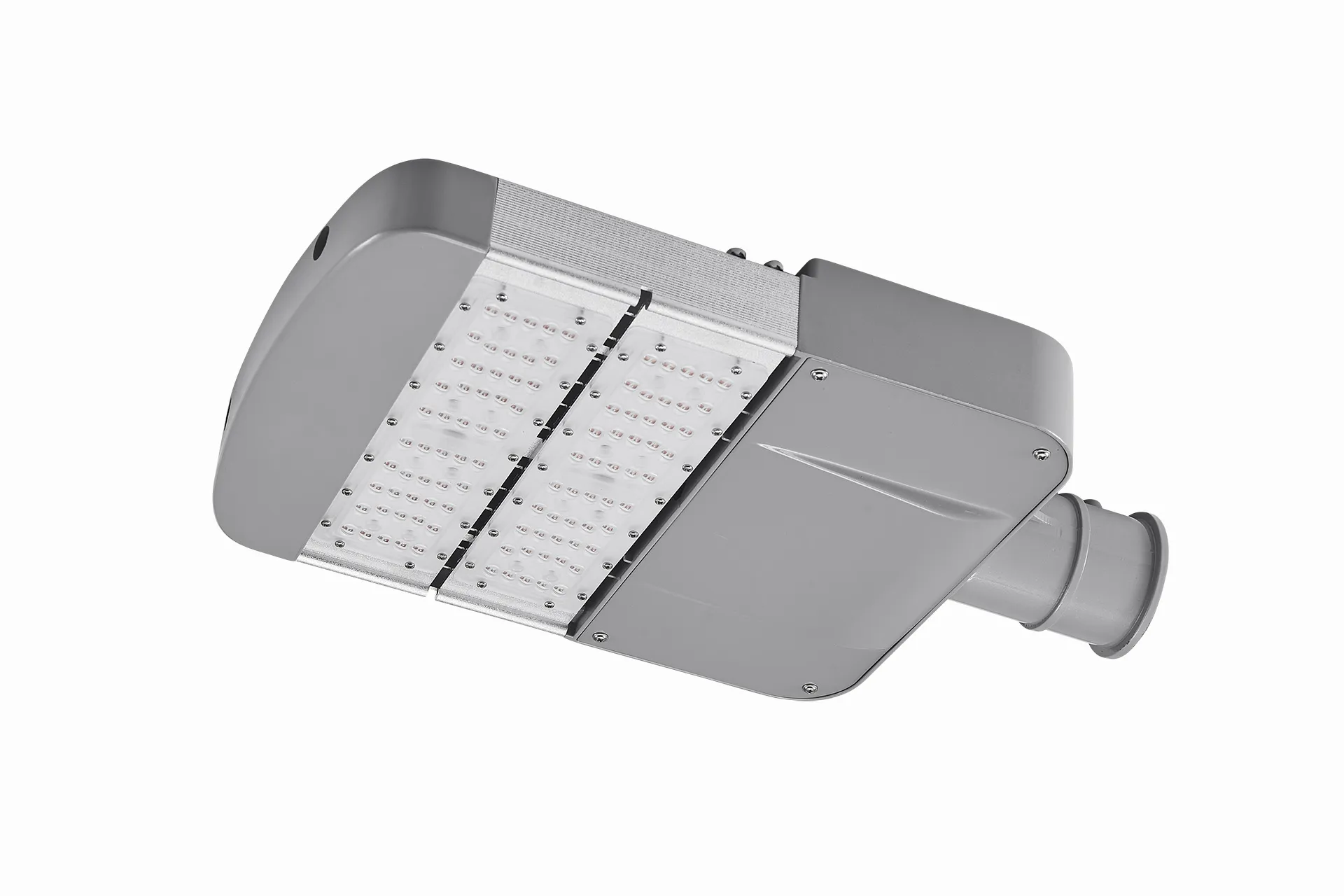
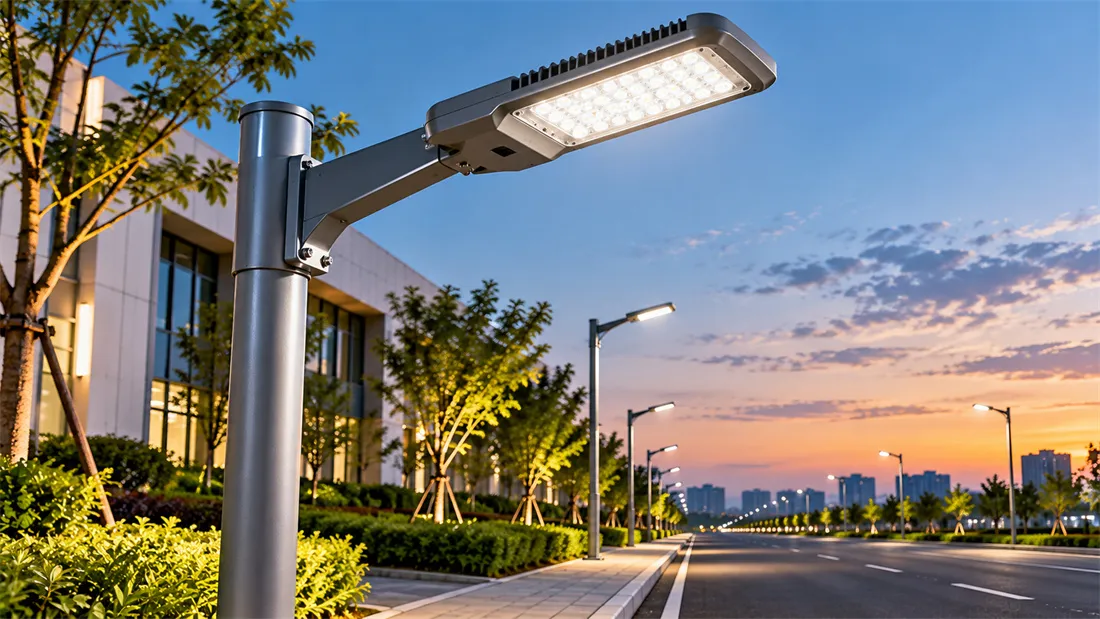
Unlike integrated street lights—where the LED module, power driver, optical lens, and housing are built as a single, inseparable unit—a Modular Street Light is designed with independent, standardized components.
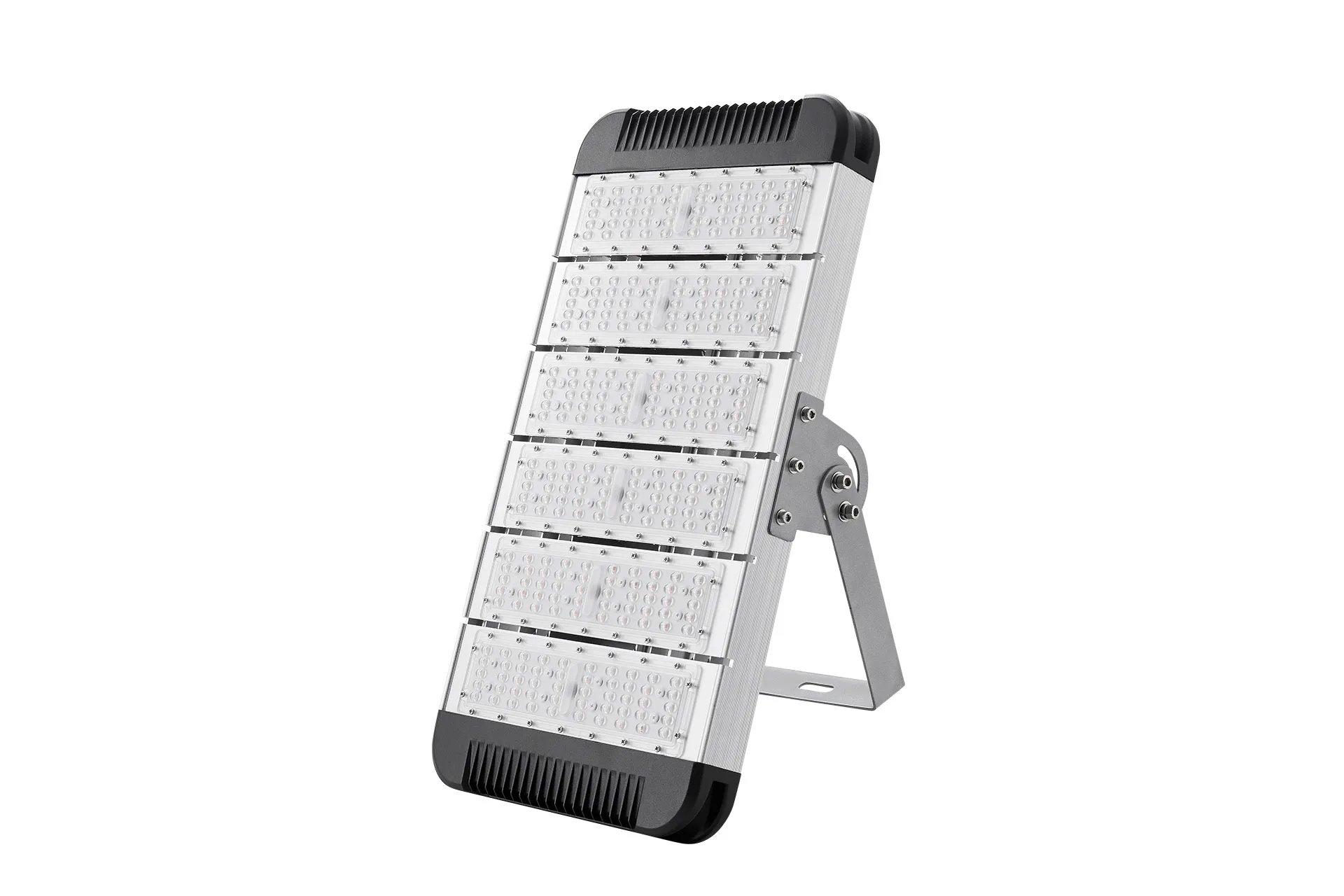
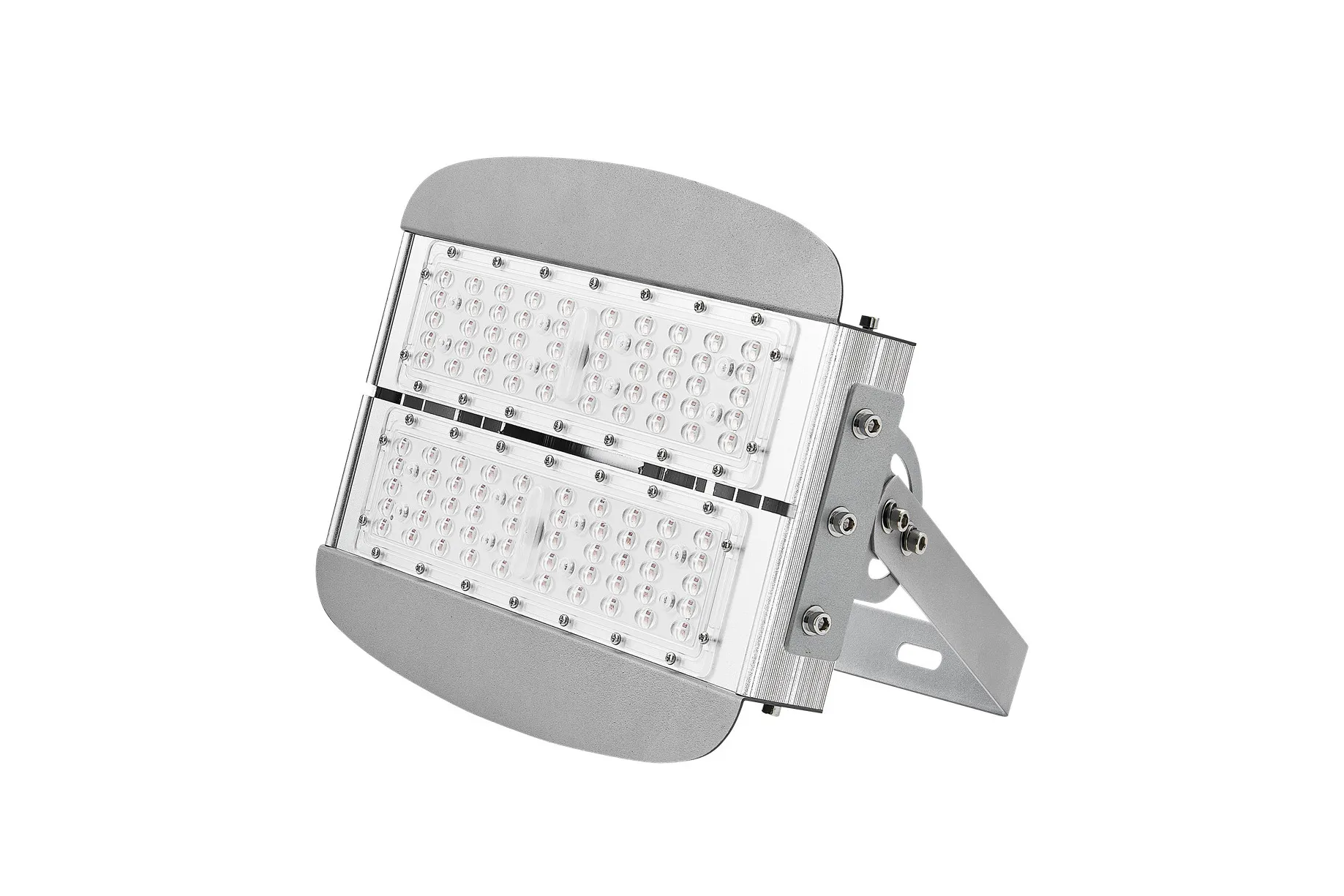
In a modular system, individual light engines (LED modules) can be assembled in various configurations or replaced independently without discarding the entire fixture. This plug-and-play architecture offers unprecedented flexibility in design, maintenance, and power adjustments.
Core Advantages of Modular LED Street Lights
1. Simplified Maintenance and Lower Long-Term Costs
The primary pain point for municipal and commercial lighting is long-term maintenance. When a conventional integrated fixture fails, the entire unit usually needs to be unmounted and replaced—a process requiring specialized service trucks, heavy equipment, and significant labor.
With modular street lights:
Tool-Free Component Replacement: Maintenance crews can simply swap out a failed module or driver on-site without removing the whole luminaire.
Lower Spare Parts Costs: Buyers only need to store individual modules rather than complete light fixtures, drastically cutting inventory carrying costs.
Reduced Downtime: Maintenance takes minutes instead of hours, keeping public roads safer with minimal light outage.
2. High Flexibility and Future-Proof Design
Urban lighting needs evolve. A road that requires 100W today might demand 150W tomorrow due to lane expansion, or lower wattage due to new efficiency standards.
Scalable Power Range: Modular designs allow suppliers and installers to scale power easily (e.g., 50W, 100W, 150W, 200W, or 300W) simply by adding or removing LED modules using a shared chassis platform.
Customizable Optics: Different modules within the same fixture can utilize different beam angles (Type I, Type II, Type III) to achieve optimal light uniformity for multi-lane highways, pedestrian paths, or intersections.
3. Superior Thermal Management
Thermal dissipation directly affects LED lifespan and luminous efficacy. Modular street lights incorporate independent heat sinks for each module, providing a larger surface area and enhanced air convection channels. By keeping junction temperatures low, modular fixtures achieve longer operational lifespans (typically >100,000 hours with L70 ratings) and slower lumen degradation.
4. Seamless Integration with Smart City IoT Platforms
Modular street lights serve as the perfect physical hardware base for Smart City infrastructure. Modern modular designs support standardized smart sockets (such as NEMA 7-pin or Zhaga Book 18), enabling seamless plug-and-play addition of:
Photocells and motion sensors
Wireless communication nodes (Zigbee, LoRaWAN, NB-IoT)
Central Management Systems (CMS) for real-time monitoring, dimming schedules, and automated fault alerts
Key Technical Specifications B2B Buyers Should Look For
When sourcing modular street lights for international projects, procurement teams should focus on the following core parameters:
| Parameter | Recommended Specification |
| System Efficacy | 140 – 180 lm/W (High-efficiency LED chips like Lumileds / Cree / Bridgelux) |
| Driver Brand | Mean Well, Philips, Inventronics, or Tridonic with surge protection (10kV/20kV) |
| IP & IK Rating | IP66 (Waterproof & Dustproof) and IK08 / IK10 (Vandal Resistance) |
| Color Temperature (CCT) | 3000K, 4000K, 5000K, or 5700K (Dark-sky compliant options available) |
| Housing Material | Die-cast aluminum alloy with corrosion-resistant powder coating |
| Certifications | CE, RoHS, CB, ENEC, UL/cUL, SAA, ISO9001 |
Application Scenarios
Modular LED street lights are engineered for versatility across high-demand outdoor environments:
Highways and Expressways: High-power modular configurations (200W–350W) with asymmetric optical lenses ensure uniform illumination and low glare at high speeds.
Urban Arterial Roads & Streets: Medium-power units (80W–150W) deliver energy-efficient, reliable lighting for city centers and residential areas.
Parking Lots & Commercial Precincts: Modular fixtures integrated with motion sensors optimize energy savings during low-traffic hours.
Industrial Parks & Logistics Hubs: High durability and ease of maintenance minimize operational downtime in industrial zones.
Why Partner with Us for Your OEM/ODM Lighting Projects?
As a leading manufacturer and exporter of outdoor LED lighting, we specialize in providing high-quality, customizable Modular Street Lights tailored for international project tenders and brand distributors.
Complete OEM/ODM Services: Custom power settings, optical lenses, housing colors, and private labeling.
Strict Quality Control: Full compliance with international testing standards, including salt spray testing, IP/IK validation, aging tests, and thermal imaging.
Project Support: Photometric DIALux simulations to help you win municipal tenders and engineering bids.
Upgrade Your Urban Lighting Portfolio Today
Modular LED street lights represent the optimal balance between initial investment, long-term operational efficiency, and future smart adaptability. Contact our export team today to request a catalog, request sample testing, or obtain customized DIALux lighting design support for your upcoming projects.